Download free 2500 high quality art ideas here –>

Introduction
Tattoos are one of the oldest forms of body art in the world, and today they are more popular than ever. People get tattooed to remember a loved one, celebrate a milestone, express their identity, or simply because they love the artwork. But a tattoo is also a permanent medical-grade procedure that breaks the skin, so it deserves careful research before you sit in the chair.
This guide covers everything you should know: how tattooing works, the genuine benefits, the health risks and complications, how much tattoos cost, how to care for a new tattoo, and what your options are if you change your mind later.
What Is a Tattoo and How Does It Work?
A tattoo is a design made by placing pigment into the dermis, the second layer of your skin. A tattoo machine holds one or more fine needles that move up and down very quickly, puncturing the skin and depositing ink with each pass.
Your skin has two main layers. The top layer (epidermis) constantly sheds and renews itself. The deeper layer (dermis) is far more stable, which is why ink placed there stays for life. Your immune cells absorb and hold the pigment particles in place, and that is what keeps the design visible for years.
Common Tattoo Styles
- Traditional (American traditional): bold outlines and a limited, saturated color palette
- Realism: lifelike portraits, animals, and objects
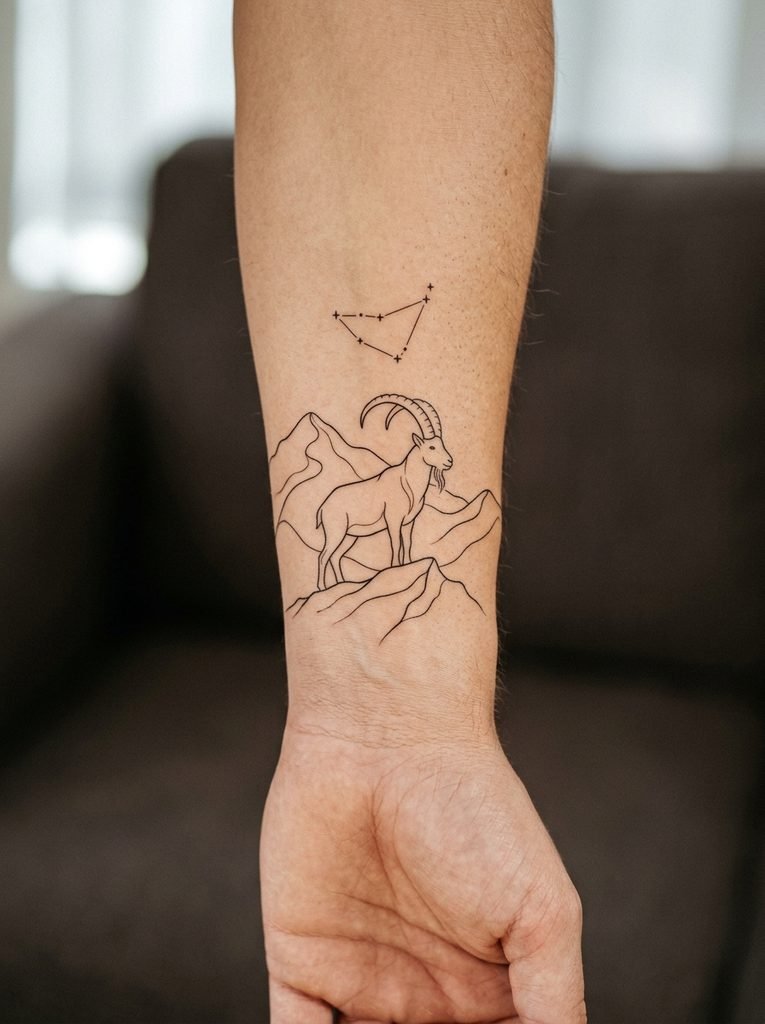
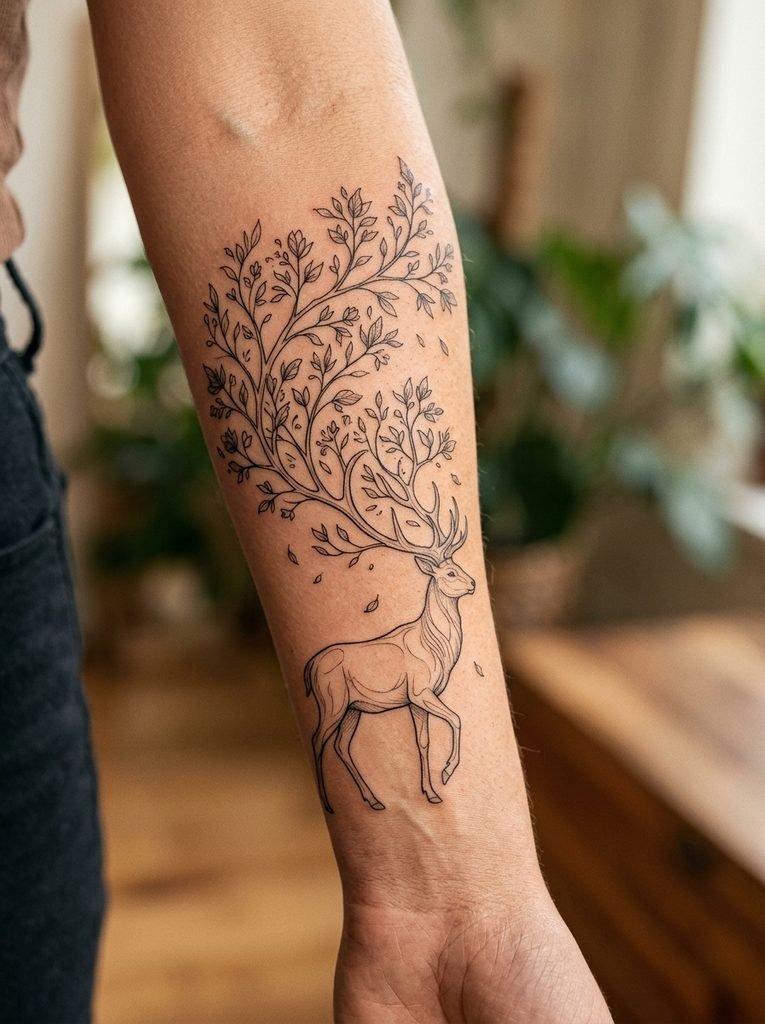
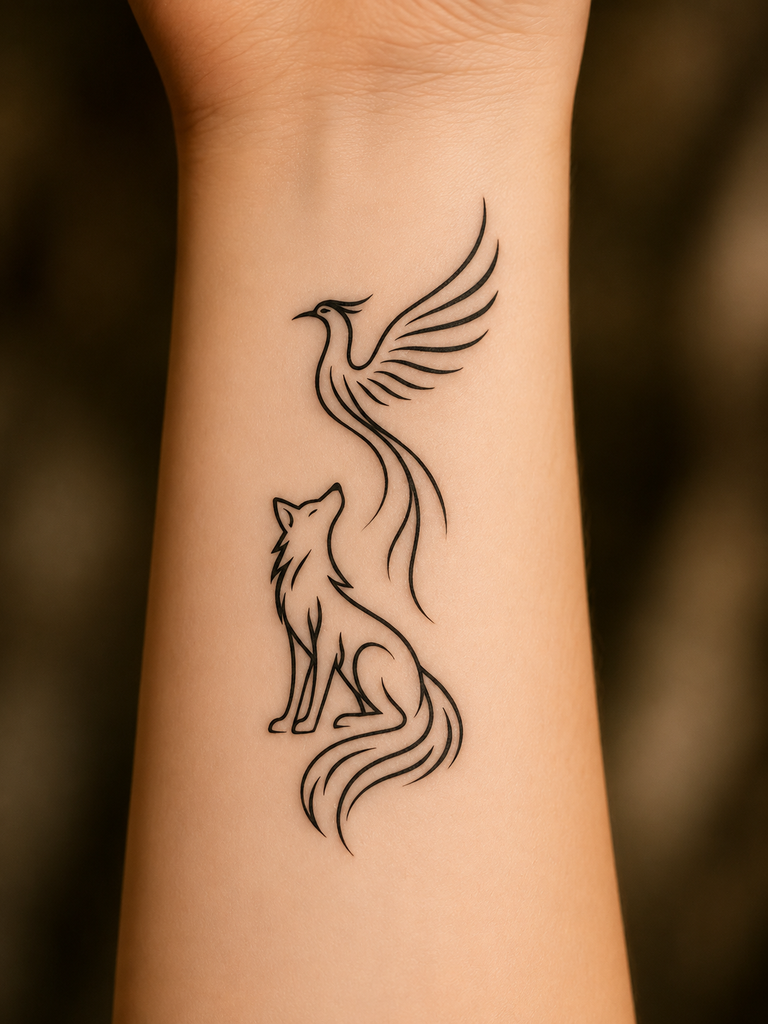
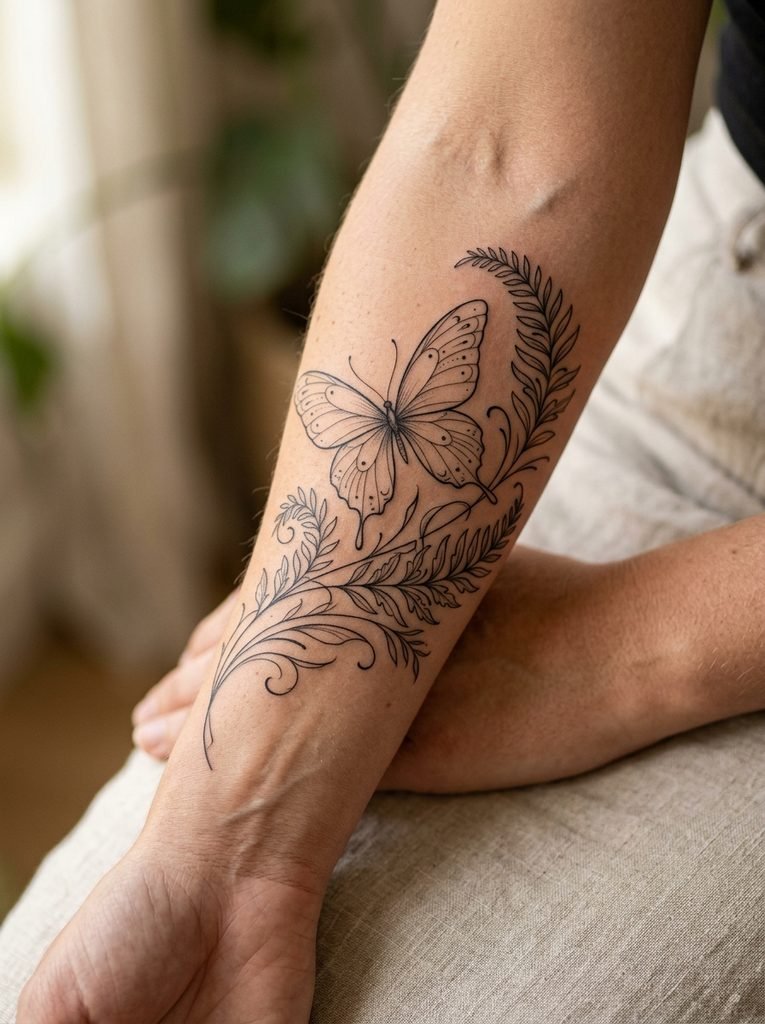
- Minimalist / fine line: thin, delicate lines and simple shapes
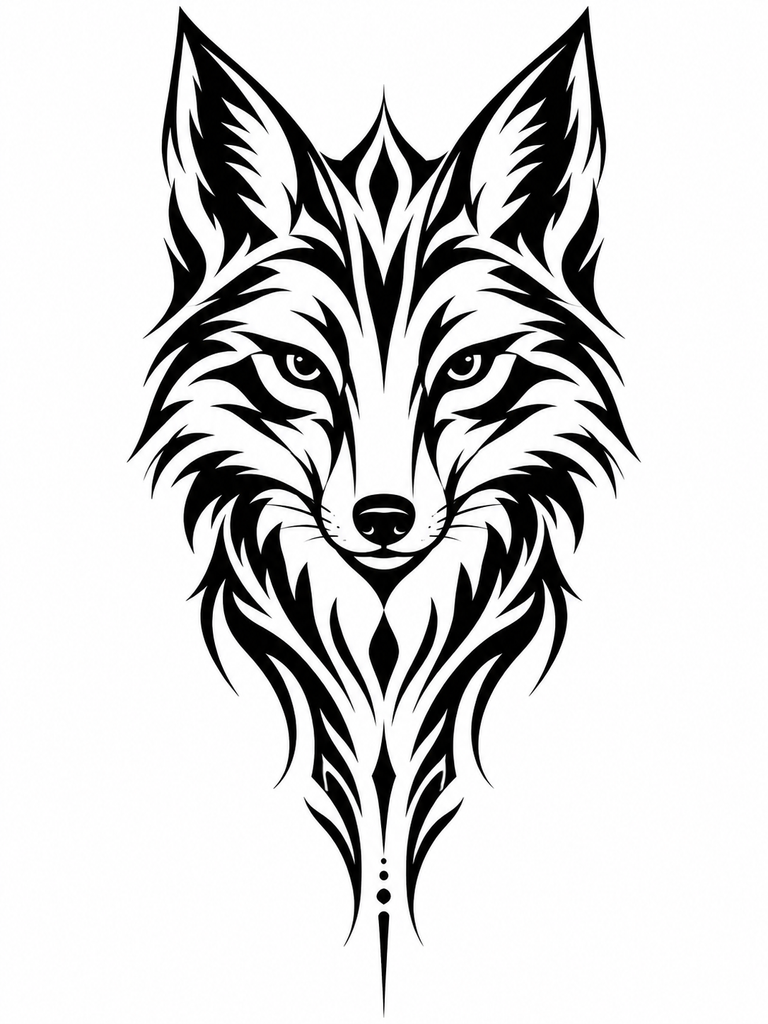
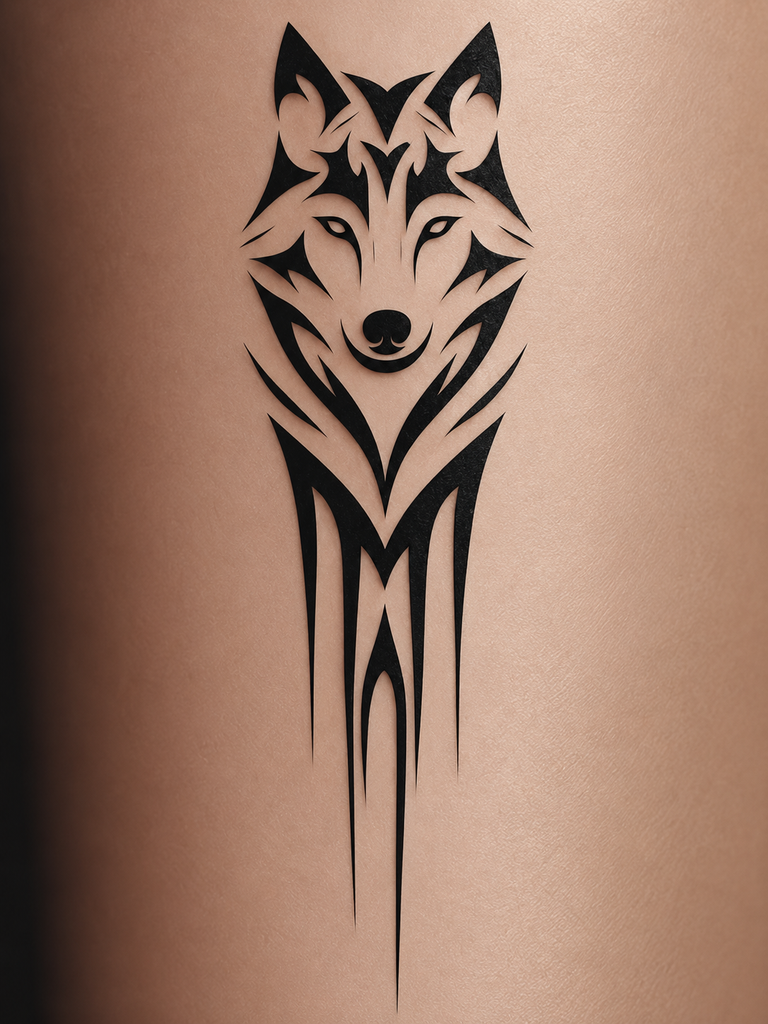
- Blackwork: solid black ink, often with geometric or illustrative designs
- Watercolor: soft, painterly color blends
- Japanese (Irezumi): large, flowing designs with deep symbolic meaning
- Lettering and script: names, dates, quotes, and meaningful words
Benefits of Getting a Tattoo
Tattoos are not only about looks. Many people report real personal and emotional benefits.
1. Self-Expression and Identity
A tattoo is a personal statement. It can reflect your beliefs, culture, passions, or life story in a way that few other things can.
2. Memory and Meaning
Memorial tattoos help many people honor someone they have lost. Others mark a major event such as a graduation, recovery, a birth, or a new chapter in life.
3. Boosted Confidence
Some people feel more comfortable and confident in their bodies after getting a tattoo they love. Tattoos can also cover scars, birthmarks, or marks a person feels self-conscious about.
4. Scar and Skin Camouflage
Skilled artists can design tattoos around or over scars, including surgical scars. Medical tattooing is also used for areola restoration after breast reconstruction and for scalp micropigmentation to simulate a shaved-head hairline.
5. Community and Connection
Tattoo culture is a close community. Matching tattoos with friends or family, or simply sharing the story behind a piece, can create strong bonds.
6. Creative Art You Carry With You
A tattoo is a one-of-a-kind artwork made by a professional artist, personalized to you.
7. Medical Alert Tattoos
Some people with conditions such as severe allergies, diabetes, or epilepsy get medical alert tattoos so emergency responders can see critical information quickly. Always speak to your doctor first, since a tattoo should not replace a standard medical ID.
Risks and Health Issues to Understand
A tattoo is a skin-piercing procedure, so it carries real risks. Knowing them helps you choose a safe studio and avoid problems.
Infection
If equipment is not sterile or aftercare is poor, bacteria can enter the skin. Signs of infection include spreading redness, swelling, heat, pus, increasing pain, and fever. Seek medical care quickly if you notice these.
Bloodborne Diseases
Unsterilized needles or contaminated equipment can transmit bloodborne infections such as hepatitis B, hepatitis C, and HIV. Reputable studios use single-use needles and follow strict sterilization rules. Never get tattooed by someone working without proper hygiene standards.
Allergic Reactions
Some people react to certain pigments, particularly some red, yellow, and other colored inks. Reactions may appear as itching, rash, or raised bumps, sometimes years after the tattoo was done.
Scarring and Keloids
People prone to keloids (thick, raised scars) may develop them at the tattoo site. If you have a history of keloid scarring, talk to a dermatologist before getting inked.
Skin Problems
Tattoos can sometimes trigger flare-ups in people with skin conditions such as eczema or psoriasis. Get medical advice first if you have one.
MRI and Medical Imaging Considerations
Most people with tattoos can have MRI scans safely, but in rare cases some pigments may cause tingling or warmth in the skin. Always tell your imaging team about your tattoos.
Ink Safety and Regulation
Tattoo ink is not regulated as strictly as many people assume, and regulations vary by country and region. Some inks have been found contaminated with bacteria. Choose studios that use reputable, labeled, sterile inks.
Regret
Taste changes over time. Many people eventually want a tattoo changed, covered, or removed. Take your time choosing the design, the artist, and the placement.
Who Should Think Twice Before Getting a Tattoo?
Talk with a doctor first if you:
- Have a bleeding or clotting disorder or take blood thinners
- Have diabetes or a weakened immune system
- Are pregnant or breastfeeding
- Have a heart condition or have been advised to take antibiotics before procedures
- Have eczema, psoriasis, or a history of keloids
- Have known allergies to metals or dyes
How Much Do Tattoos Cost?
Prices vary widely by location, artist reputation, size, detail, and color. As a general guide:
| Tattoo type | Typical price range (USD) |
|---|---|
| Small, simple tattoo | $50 – $200 |
| Medium tattoo (palm-sized) | $150 – $500 |
| Large detailed piece | $500 – $2,000+ |
| Full sleeve | $1,500 – $6,000+ |
| Hourly rate (experienced artist) | $100 – $300+ per hour |
Many studios also have a minimum charge to cover their sterile supplies. Remember that a quality tattoo is an investment. Choosing the cheapest option often costs more later in cover-ups and corrections.
How to Choose a Safe, Skilled Tattoo Artist
- Check licensing and health inspections. A legitimate studio displays its license and follows health-department rules.
- Review portfolios. Look for healed work, not only fresh photos, in the style you want.
- Visit the studio first. It should look clean, with sanitized surfaces and sealed, single-use needles opened in front of you.
- Ask questions. A good artist explains aftercare, ink brands, and sterilization procedures happily.
- Read reviews. Look for consistent feedback about cleanliness, professionalism, and results.
- Book a consultation. This lets you discuss the design, size, placement, and price before you commit.
What Does a Tattoo Feel Like? Pain by Body Area
Pain is personal, but most people find these areas more or less sensitive:
- Lower pain: outer thigh, outer upper arm, calves, upper back
- Moderate pain: forearm, shoulders, lower back
- Higher pain: ribs, spine, ankles, feet, hands, fingers, inner elbow, sternum
Eating well, staying hydrated, sleeping enough, and avoiding alcohol beforehand can make the session more comfortable.
Tattoo Aftercare: How to Heal a New Tattoo Properly
Proper aftercare protects both the look of your tattoo and your health. Always follow the specific instructions your artist gives you, but these are the basics.
The First 24 Hours
- Leave the protective covering on for as long as your artist recommends.
- Wash your hands before touching the area.
- Gently wash the tattoo with lukewarm water and mild, fragrance-free soap, then pat dry with a clean paper towel.
Weeks 1–2
- Apply a thin layer of recommended fragrance-free ointment or moisturizer.
- Do not pick, scratch, or peel scabs or flaking skin.
- Wear loose, clean clothing over the area.
Weeks 2–4
- Continue gentle moisturizing as the skin finishes healing.
- Avoid swimming pools, hot tubs, the sea, and soaking baths until fully healed.
- Keep the tattoo out of direct sun.
Long-Term Care
- Use broad-spectrum sunscreen on healed tattoos every time they are exposed to the sun. UV light fades ink and dulls detail.
- Keep your skin moisturized, since healthy skin shows tattoos best.
Signs You Should See a Doctor
- Redness that spreads or worsens after the first few days
- Pus, a bad smell, or increasing swelling
- Fever or chills
- A rash, intense itching, or bumps within the tattoo
Can You Remove a Tattoo? Laser Removal Explained
Tattoo removal is possible, but it is slower, costlier, and less predictable than getting the tattoo.
How Laser Tattoo Removal Works
Q-switched and picosecond lasers send short pulses of light energy into the skin. The energy breaks the ink particles into fragments small enough for your body’s immune system to clear away over time.
What to Expect
- Multiple sessions are almost always needed, typically spaced several weeks apart.
- Cost: commonly a few hundred dollars per session, so full removal can total well over $1,000 depending on size and ink.
- Results vary. Black ink usually responds best. Some colors, such as green, blue, and light shades, can be harder to remove.
- Side effects can include temporary redness, blistering, swelling, changes in skin color, and in some cases scarring.
Always have removal done by a trained professional, ideally under a dermatologist’s guidance.
Cover-Up Tattoos
If you do not want removal, an experienced artist can often design a new, larger or darker tattoo to cover an old one. Laser lightening first can improve cover-up results.
Tattoos and Your Career
Workplace attitudes are changing, and visible tattoos are accepted in many industries. However, some employers, especially in conservative, client-facing, or uniformed roles, still have dress codes. If your career is a concern, consider placements that are easy to cover, such as upper arms, shoulders, back, or thighs.
Tattoo Myths vs. Facts
Myth: Tattoos are painless if you choose the right artist. Fact: Every tattoo involves some discomfort, though intensity varies.
Myth: Tattoos can be removed completely with one session. Fact: Laser removal takes multiple sessions, and results are not guaranteed.
Myth: Tattoo ink is always safe because it is sold commercially. Fact: Ink quality and regulation vary. Choose reputable studios.
Myth: You cannot get a tattoo if you have sensitive skin. Fact: Many people with sensitive skin are tattooed successfully, but you should consult a doctor and do a patch test if advised.
Frequently Asked Questions
How long does a tattoo take to heal?
The surface usually heals in two to four weeks, but deeper layers of skin can take a few months to fully settle.
Do tattoos fade over time?
Yes. Sun exposure, skin aging, and placement all affect how quickly a tattoo fades. Sunscreen and good moisturizing help it last.
Can I exercise after getting a tattoo?
Avoid heavy exercise, sweating, and stretching the tattooed area for a few days, and follow your artist’s advice.
Is it safe to get a tattoo while pregnant?
Most professionals recommend waiting until after pregnancy and breastfeeding. Speak to your doctor.
What is the best age to get a tattoo?
There is no perfect age, but legal minimum ages apply in most places. Whatever your age, take time to think about the design and placement.
How much should I tip a tattoo artist?
In many countries, 15–25% is a common tip for good service, but customs vary by region.
Final Thoughts
A tattoo can be a beautiful, meaningful form of expression, but it is also a permanent decision with health considerations. Do your research, choose a licensed and skilled artist, follow aftercare carefully, and think long-term about design and placement. If you are ever unsure, wait. A good tattoo is worth the patience.
Disclaimer: This article is for general information only and is not medical advice. Consult a qualified healthcare professional about your personal health, skin conditions, or any concerns about a tattoo or tattoo removal.
some Famous Tattoos designs in pintrest
| # | Tattoo Design | Pinterest Link |
|---|---|---|
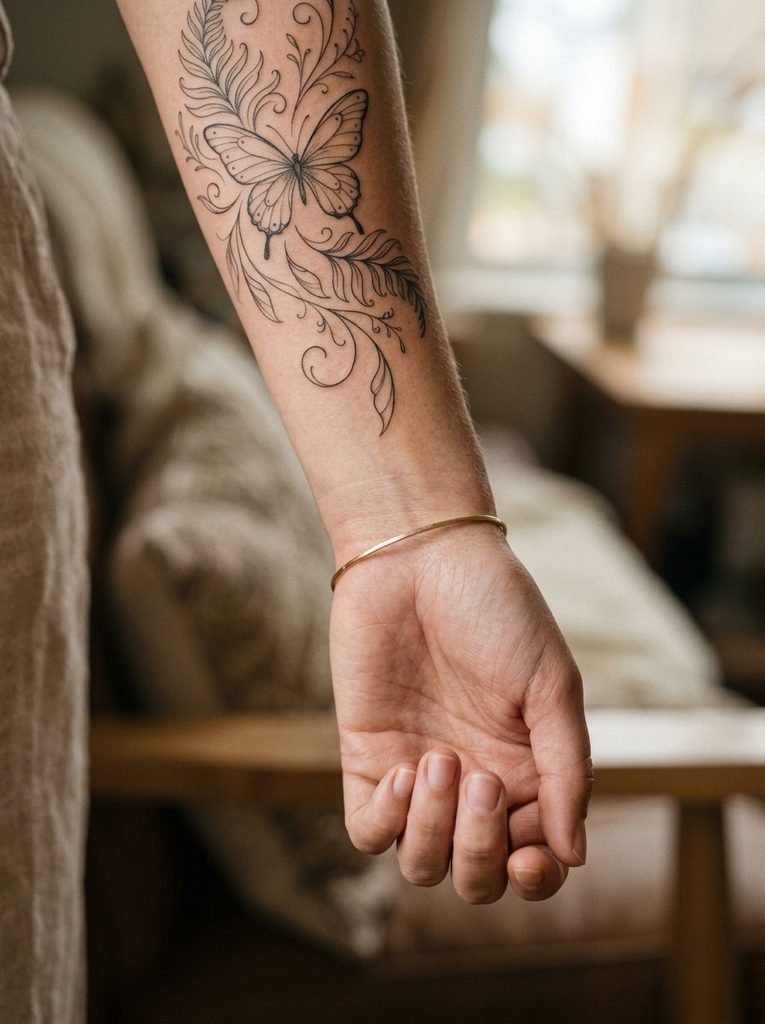
| 1 | Minimalist Butterfly Tattoo | |
| 2 | Fine Line Butterfly Tattoo | |
| 3 | Floral Fine Line Tattoo | |
| 4 | Rose Tattoo | |
| 5 | Wildflower Tattoo | |
| 6 | Sunflower Tattoo | |
| 7 | Daisy Tattoo | |
| 8 | Lavender Tattoo | |
| 9 | Lotus Flower Tattoo | |
| 10 | Cherry Blossom Tattoo | |
| 11 | Peony Tattoo | |
| 12 | Lily Tattoo | |
| 13 | Tulip Tattoo | |
| 14 | Orchid Tattoo | |
| 15 | Floral Sleeve Tattoo | |
| 16 | Minimalist Moon Tattoo | |
| 17 | Crescent Moon Tattoo | |
| 18 | Sun and Moon Tattoo | |
| 19 | Celestial Tattoo | |
| 20 | Star Tattoo | |
| 21 | Constellation Tattoo | |
| 22 | Galaxy Tattoo | |
| 23 | Planet Tattoo | |
| 24 | Saturn Tattoo | |
| 25 | Zodiac Tattoo | |
| 26 | Dragon Tattoo | |
| 27 | Fine Line Dragon Tattoo | |
| 28 | Snake Tattoo | |
| 29 | Snake and Flower Tattoo | |
| 30 | Lion Tattoo | |
| 31 | Tiger Tattoo | |
| 32 | Wolf Tattoo | |
| 33 | Fox Tattoo | |
| 34 | Deer Tattoo | |
| 35 | Bear Tattoo | |
| 36 | Elephant Tattoo | |
| 37 | Hummingbird Tattoo | |
| 38 | Dragonfly Tattoo | |
| 39 | Bee Tattoo | |
| 40 | Ladybug Tattoo | |
| 41 | Moth Tattoo | |
| 42 | Spider Tattoo | |
| 43 | Scorpion Tattoo | |
| 44 | Octopus Tattoo | |
| 45 | Whale Tattoo | |
| 46 | Dolphin Tattoo | |
| 47 | Koi Fish Tattoo | |
| 48 | Seahorse Tattoo | |
| 49 | Jellyfish Tattoo | |
| 50 | Fish Tattoo | |
| 51 | Mountain Tattoo | |
| 52 | Nature Landscape Tattoo | |
| 53 | Forest Tattoo | |
| 54 | Pine Tree Tattoo | |
| 55 | Tree of Life Tattoo | |
| 56 | Wave Tattoo | |
| 57 | Ocean Tattoo | |
| 58 | Sun Tattoo | |
| 59 | Cloud Tattoo | |
| 60 | Rain Tattoo | |
| 61 | Minimalist Heart Tattoo | |
| 62 | Anatomical Heart Tattoo | |
| 63 | Broken Heart Tattoo | |
| 64 | Infinity Tattoo | |
| 65 | Arrow Tattoo | |
| 66 | Compass Tattoo | |
| 67 | Key Tattoo | |
| 68 | Lock and Key Tattoo | |
| 69 | Hourglass Tattoo | |
| 70 | Eye Tattoo | |
| 71 | Angel Tattoo | |
| 72 | Angel Wings Tattoo | |
| 73 | Fairy Tattoo | |
| 74 | Mermaid Tattoo | |
| 75 | Phoenix Tattoo | |
| 76 | Gothic Tattoo | |
| 77 | Gothic Rose Tattoo | |
| 78 | Blackwork Tattoo | |
| 79 | Geometric Tattoo | |
| 80 | Mandala Tattoo | |
| 81 | Dotwork Tattoo | |
| 82 | Abstract Tattoo | |
| 83 | Line Art Tattoo | |
| 84 | Continuous Line Tattoo | |
| 85 | Minimalist Tattoo | |
| 86 | Tiny Tattoo | |
| 87 | Matching Couple Tattoo | |
| 88 | Best Friend Tattoo | |
| 89 | Sister Tattoo | |
| 90 | Family Tattoo | |
| 91 | Roman Numeral Tattoo | |
| 92 | Name Tattoo | |
| 93 | Quote Tattoo | |
| 94 | Handwriting Tattoo | |
| 95 | Finger Tattoo | |
| 96 | Wrist Tattoo | |
| 97 | Behind Ear Tattoo | |
| 98 | Spine Tattoo | |
| 99 | Rib Tattoo | |
| 100 | Full Sleeve Tattoo |
2. Style Comparison Matrix
| Category / Style | Line Weight | Shading / Color Palette | Longevity & Aging | Ideal Body Placements |
| American Traditional | Thick & bold | Saturated primary colors; heavy black | High (Stands the test of time) | Forearms, calves, shoulders, chest |
| Neo-Traditional | Varied (thick to medium) | Broad jewel tones; smooth blends | High to Moderate | Thighs, upper arms, back, ribs |
| Fine Line / Micro | Ultra-fine (single needle) | Soft grey washes or clean line-only | Moderate (Requires periodic touch-ups) | Wrists, inner bicep, collarbone, ankles |
| Black & Grey Realism | Minimal / soft edges | Multi-tone grey wash; high contrast | Moderate to High | Full sleeves, back piece, chest, thigh |
| Geometric / Dotwork | Crisp, precise lines | Stippling, heavy black fills | High | Forearms, center back, shoulders |
| Watercolor | Minimal to non-existent | Vibrant multi-color wash & drips | Moderate (Fades faster without black base) | Shoulder blades, ribs, outer thighs |
| Japanese (Irezumi) | Bold, dynamic flow | Deep blacks, vibrant traditional ink | High | Full back, full sleeves, chest panels |