Most style advice fixates on color palettes and body shapes, but the secret to looking effortlessly well-dressed lies in an entirely different dimension: textural contrast.
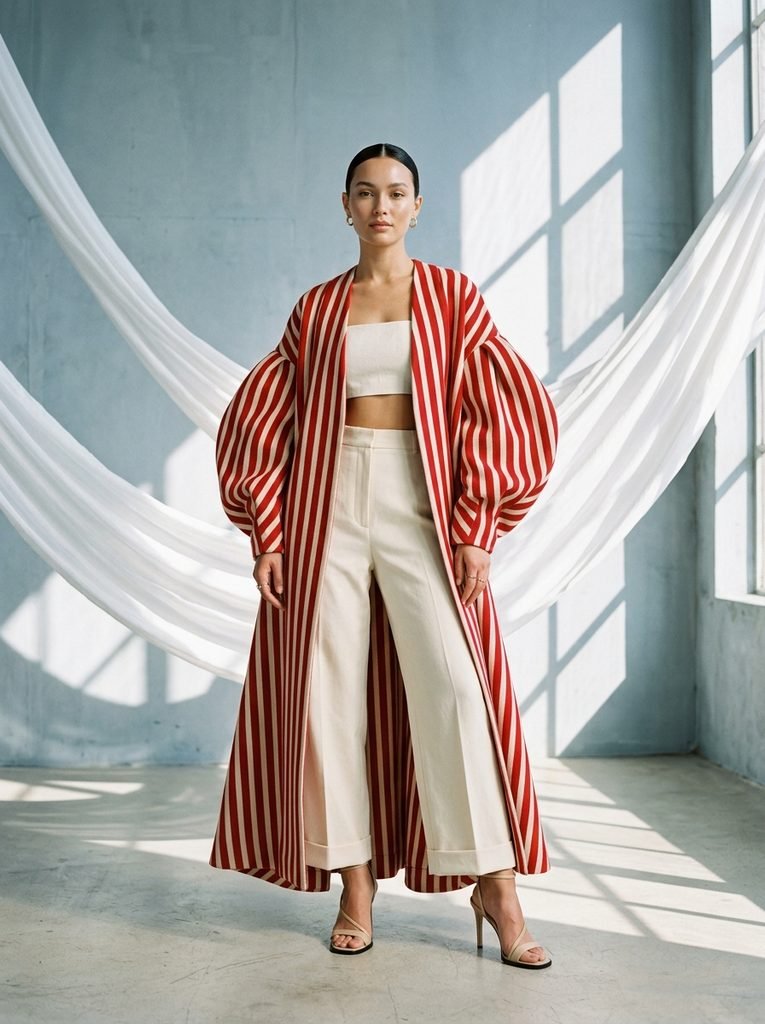
When an outfit feels flat or uninspired—even when the colors match perfectly—it is almost always because the materials are competing at the exact same visual frequency. The modern wardrobe relies on dynamic tension: pairing smooth against coarse, stiff against fluid, and matte against gloss.
1. The Science of Visual Weight and Texture
Visual weight is the perceived heaviness or lightness of a garment based on its weave, thickness, and light-reflecting properties. Mastering this balance keeps outfits visually dynamic without needing loud patterns or logos.
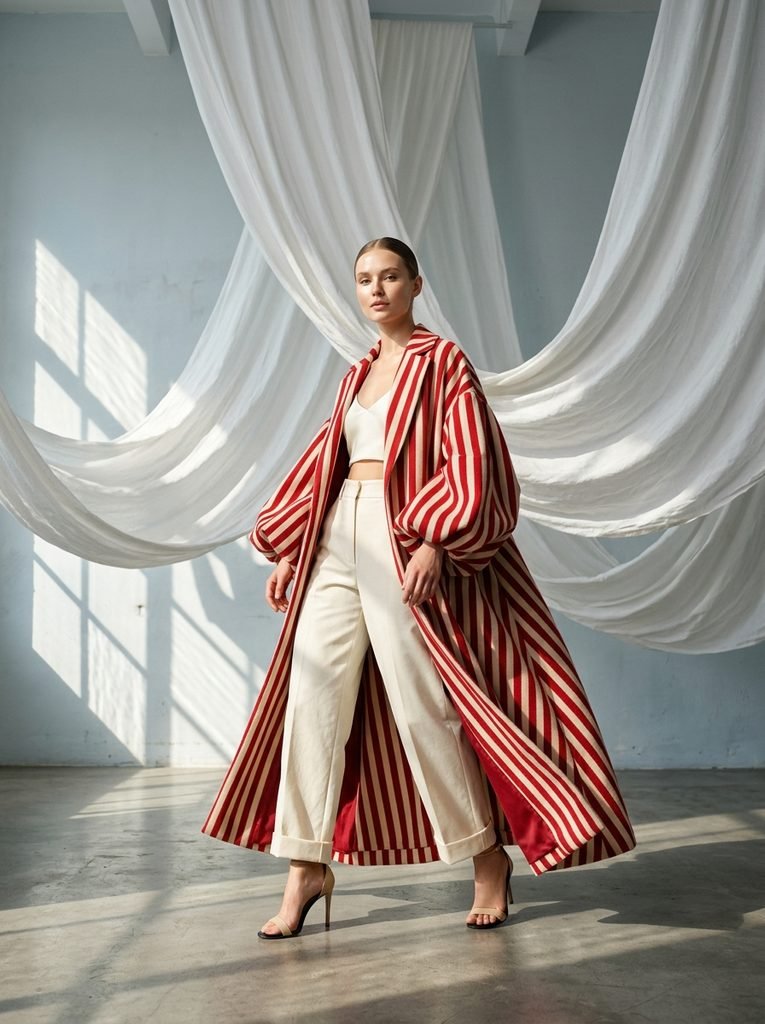
- High-Weight Textiles: Heavy wool, brushed shearling, chunky rib-knits, corduroy, raw denim, and suede. These absorb light, create volume, and anchor an ensemble.
- Medium-Weight Textiles: Crisp cotton poplin, tailored gabardine, smooth leather, and linen twill. These provide structural lines, clean seams, and architectural framework.
- Low-Weight Textiles: Silk habotai, satin, sheer georgette, modal jersey, and fine-gauge cashmere. These reflect light, drape fluidly, and move with the body.
+———————————————————————————–+
| THE TEXTURAL FRICTION SYSTEM |
+———————————————————————————–+
| |
| [ ROUGH / MATTE ] [ CRISP / STRUCTURED ] [ GLOSSY / FLUID ] |
| – Heavy Cable Knit – Poplin Button-Down – Silk Slip Skirt |
| – Brushed Suede Boots – Tailored Trench – Patent Bag |
| – Raw Selvedge Denim – Wool Gabardine Pant – Satin Camisole |
| |
| * Rule: An elevated outfit combines pieces from at least TWO distinct columns. |
+———————————————————————————–+
2. The Four Rules of High-Contrast Material Pairing
To elevate simple monochrome or neutral looks, incorporate these material pairings:
The “Slick and Slubby” Balance
Combine high-shine or ultra-smooth materials with organic, slubby textures.
- The Formula: A high-sheen satin maxi skirt paired with an oversized, chunky shaker-stitch wool sweater and distressed leather boots.
- Why It Works: The sweater tempers the formal evening energy of the satin, while the skirt prevents the heavy knitwear from looking bulky or rustic.
Structured Rigidity vs. Kinetic Drape
Pairing a stiff, immoveable piece with a liquid-like textile creates natural movement.
- The Formula: A rigid, boxy leather overshirt or sharp-shouldered double-breasted blazer worn over a fluid, bias-cut silk dress or wide-leg modal trousers.
- Why It Works: The sharp outer shell frames the body, while the inner drape moves when you walk, providing dynamic depth.
Matte Meets Specular Light
Monochrome outfits (all-black, all-cream, or all-navy) fall apart if every piece has the same matte finish.
- The Formula: Matte black cotton trousers, a fine-gauge merino knit, a semi-gloss leather belt, and high-shine patent loafers or polished brass jewelry.
- Why It Works: The reflective accessories break up the light absorption of the matte wool and cotton, keeping the silhouette defined rather than looking like an indistinct dark silhouette.
3. Textile Performance & Longevity Index
| Material Family | Natural Breathability | Structural Retention | Ideal Seasonal Role |
| Heavyweight Raw Denim (13–15 oz) | Moderate | High (Forms custom creases) | Year-round anchor for casual layering |
| Worsted Wool Gabardine | High | Excellent (Naturally wrinkle-resistant) | Transitional suiting and structured trousers |
| Mulberry Silk Crepe | High | Fluid (Requires steaming) | Base-layer movement and luxury layering |
| Brushed Suede / Nubuck | Moderate | Medium (Requires waterproofing) | High-texture outerwear and accent footwear |
| High-Twist Linen | Ultra-High | Relaxed (Softens with every wash) | Warm-weather texture and casual drape |
4. Curating Three Texture-Driven Daily Outfits
Building texture into everyday dressing does not require extravagant styling. These three templates demonstrate the principle across diverse settings:
- The Elevated Creative: Pair a structured navy cotton-twill chore jacket over a white long-staple cotton t-shirt, grounded by fluid, wide-leg charcoal wool trousers and rich chocolate suede Chelsea boots.
- The Refined Casual: Combine high-waisted, rigid vintage-wash denim with a lightweight, tissue-thin turtleneck, layered under a brushed alpaca cardigan and finished with a structured, glazed-leather tote.
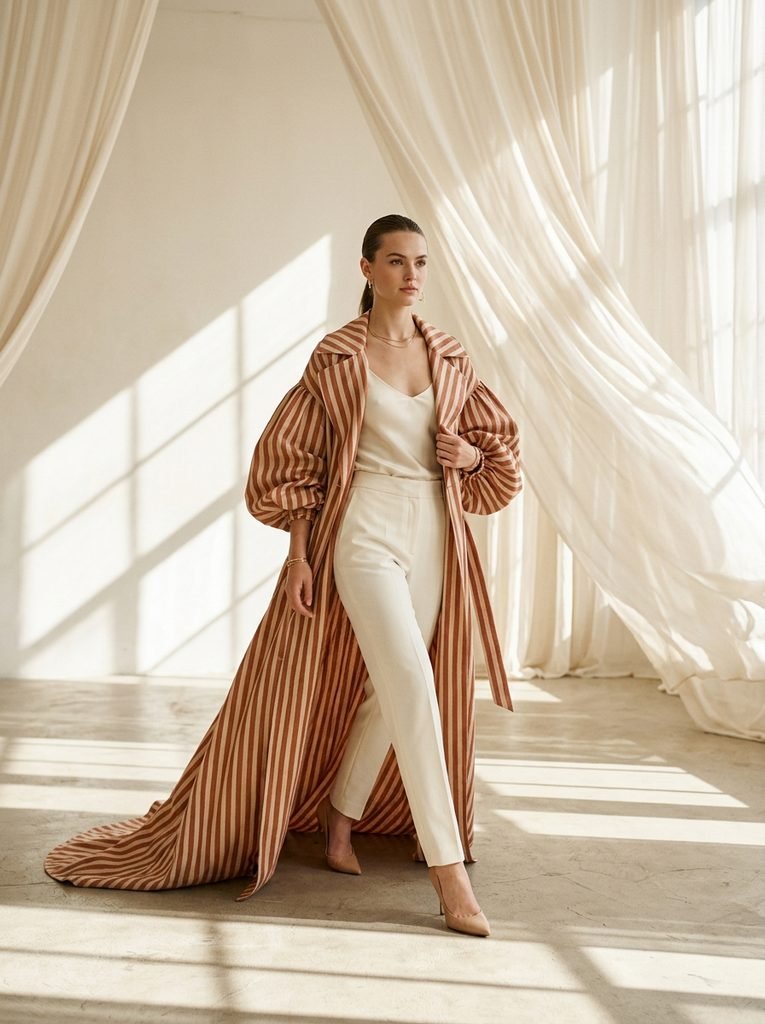
- The Modern Evening Minimalist: Style an ivory matte crepe tailored trouser with a tonal champagne satin camisole, draped loosely under an oversized, unstructured wool-cashmere wrap coat with pointed leather mules.
5. Caring for Rich Textiles to Preserve Texture
High-texture fabrics require specific maintenance routines to prevent surface degradation:
- Brush, Don’t Wash: For wool coats, blazers, and heavy knitwear, use a natural boar-bristle garment brush after wearing. Brushing removes surface dust, releases trapped odors, and resets the fiber nap without stripping natural lanolin oils.
- Protect Suede and Nubuck: Spray new suede footwear and bags with a fluoropolymer-free waterproofing protectant before the first wear. Use a dedicated brass-wire or crepe rubber brush to lift flattened nap and erase water marks.
- De-Pilling Protocol: Never pull pills off knits by hand, which stretches and tears adjacent yarns. Use a precision motorized fabric shaver or a manual brass sweater comb, working gently in one direction across taut fabric.