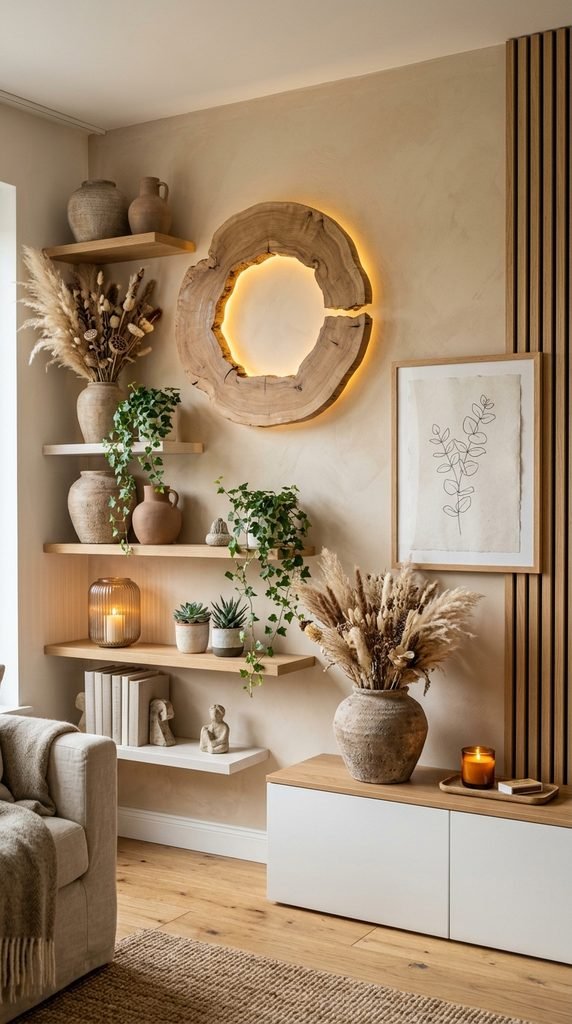
The modern home is no longer just a backdrop for daily routines or a showcase for entertaining guests; it has become the primary buffer against a noisy, hyper-connected world. In response, interior design has shifted toward slow decorating—an approach that prioritizes nervous system regulation, tactile comfort, and intentional daily rituals over fast-furniture trends.
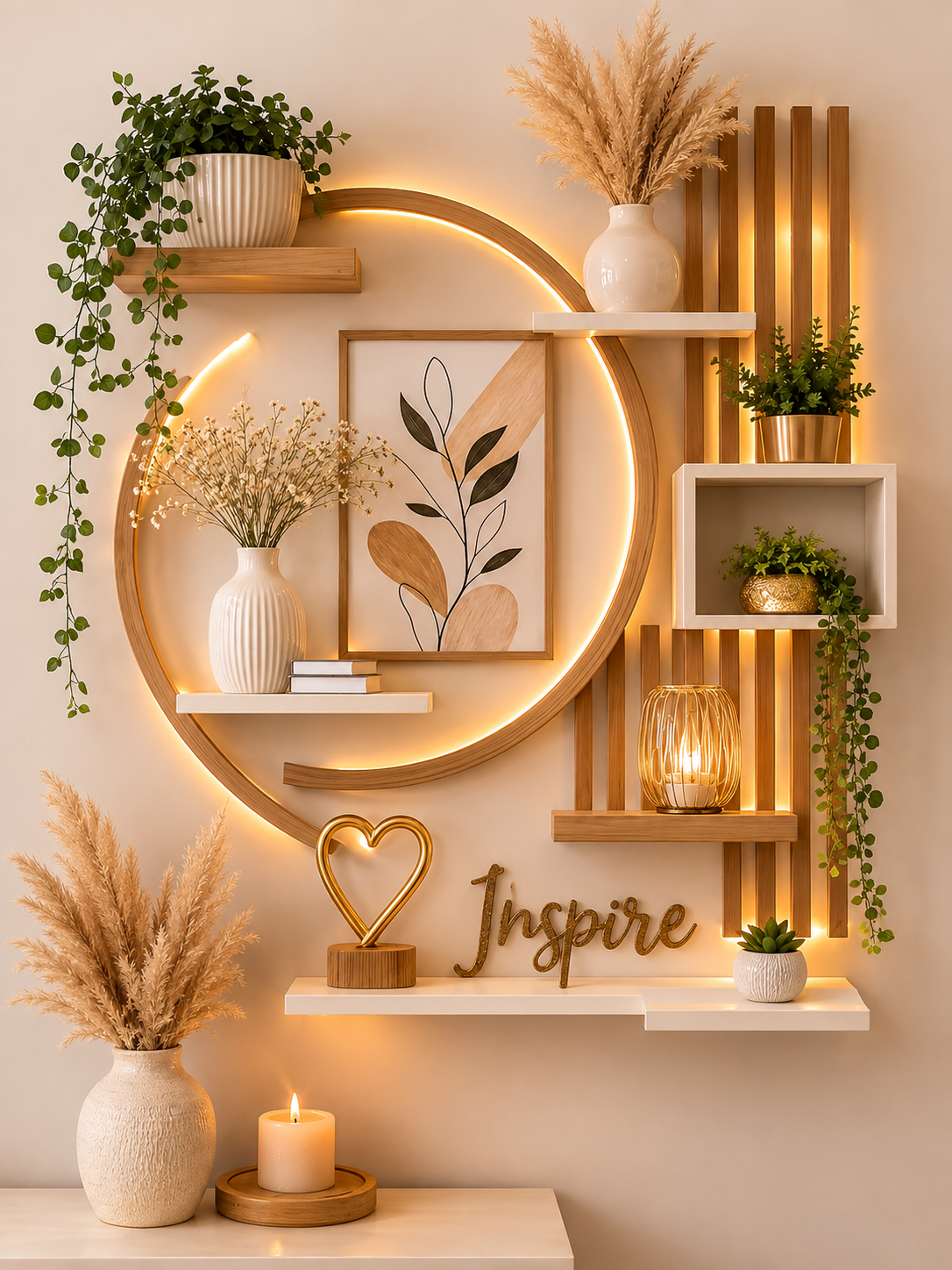
Creating a home that genuinely recharges you is less about buying new items and more about editing your sensory environment. By aligning floor plans with daily habits, harnessing the power of biophilic design, and designing dedicated spaces for rest, you can turn any living area into a functional retreat.
1. The Psychology of the Layout: Zoning for Mental Clarity
Visual clutter often mirrors spatial confusion. When a single room tries to be an office, gym, entertainment lounge, and dining space without clear boundaries, the brain struggles to switch into rest mode.
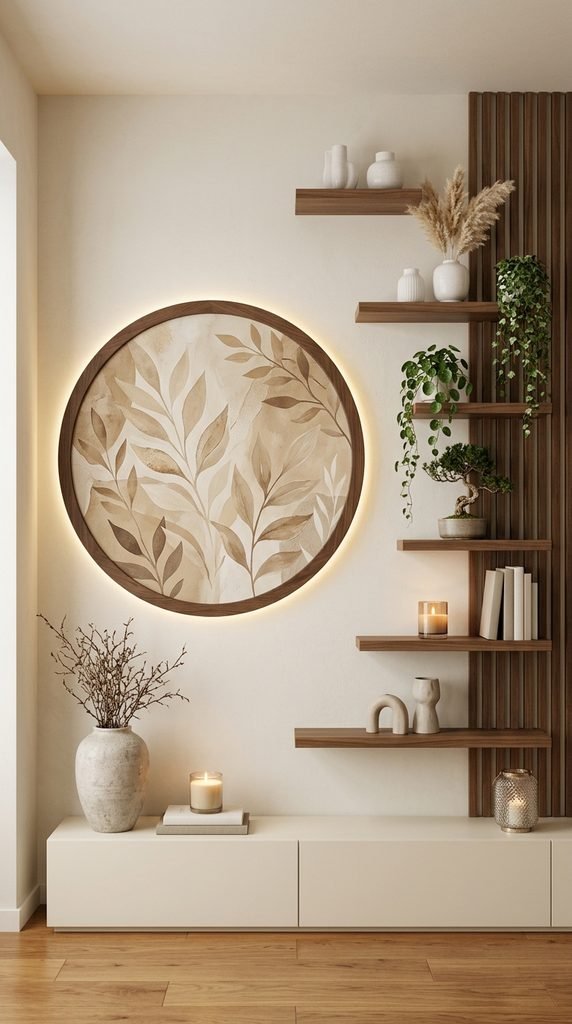
- Establish Single-Purpose Micro-Zones: Even in compact open-plan apartments, delineate functions clearly. Anchor a reading corner with a dedicated lounge chair, a directional floor lamp, and a small side table—keeping it strictly free of laptops, charging cables, and work materials.
- The “Drop Zone” Buffer: Clutter accumulates at transition points. Place an entryway console with a discreet tray, closed storage bench, or wall hooks to immediately capture keys, mail, bags, and shoes before they spill into the main living areas.
- Keep Sightlines Uncluttered: When sitting on your primary sofa or lying in bed, identify what falls directly within your line of sight. Keep those focal areas clean, minimal, and anchored by art or nature rather than electronics, open storage, or chore reminders.
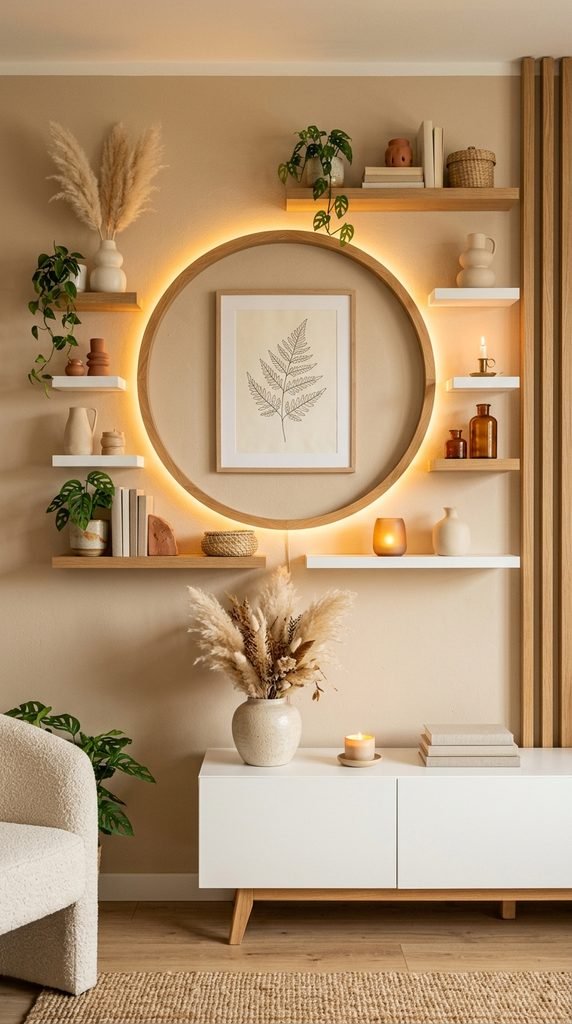
2. The Restorative Palette: Working with Earth and Light
Color directly affects heart rate, focus, and circadian rhythms. Slow interiors rely on low-saturation, nature-derived palettes that reflect ambient daylight gracefully without visual fatigue.
- Warm Mineral Neutrals: Replace stark, clinical blue-whites with lime-washed creams, chalky oatmeals, soft bisques, and muted linen tones. These shades absorb and scatter light gently, eliminating harsh glare.
- Earthy Mid-Tones: Colors like sage green, terracotta, warm taupe, and slate brown connect interiors to the outdoor landscape. These tones ground expansive spaces and create a cozy, protective atmosphere in smaller rooms.
- Deep Anchoring Shades: Integrate rich espresso woods, blackened bronze, and charcoal in small, deliberate doses—such as curtain rods, table legs, or picture frames—to provide architectural contrast without overwhelming the calmness of the space.
3. Biophilic Design: Bringing Nature Inward
Biophilic design is the practice of connecting human spaces with the natural environment. Natural materials and living elements reduce cortisol levels, improve indoor air quality, and bring organic warmth to sharp, modern architecture.
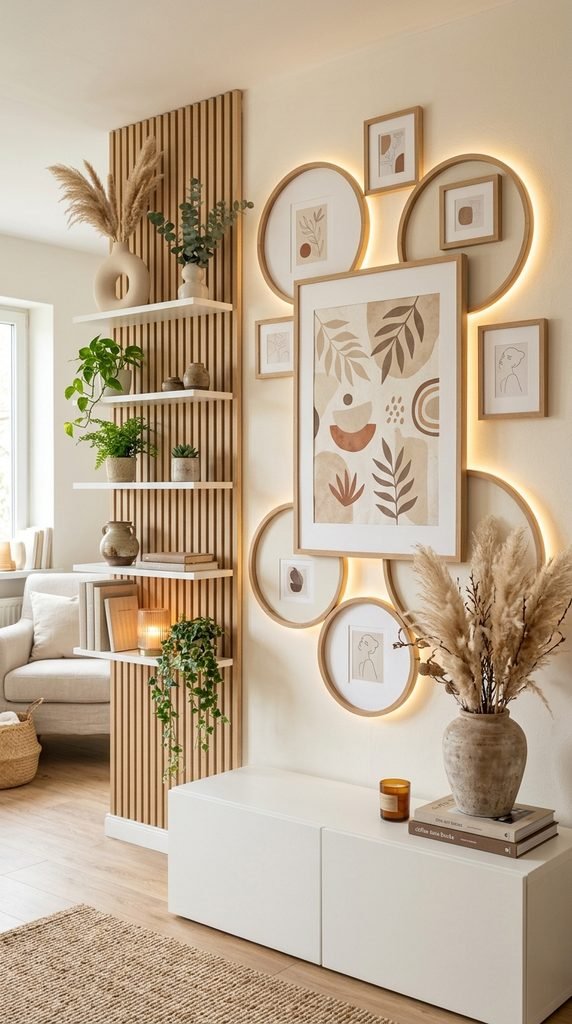
- Prioritize Imperfect, Living Materials: Choose furniture and finishes that age with character. Unsealed terracotta tiles, raw travertine, unlacquered brass that develops a natural patina, and open-grain timber with visible knots bring an organic, grounding presence into the home.
- Embrace Natural Light Rhythms: Maximize daylight exposure during morning hours by using sheer, lightweight linen drapes instead of heavy blinds. As evening approaches, transition from high overhead lighting to low-level table lamps with amber-toned bulbs (2200K to 2700K) to encourage natural melatonin production.
- Intentional Botanical Placement: Instead of scattering small, high-maintenance potted plants across every windowsill, choose one or two large-scale plants with sculptural silhouettes—such as an olive tree, a broad-leaf bird of paradise, or a weeping fig in a heavy clay vessel.
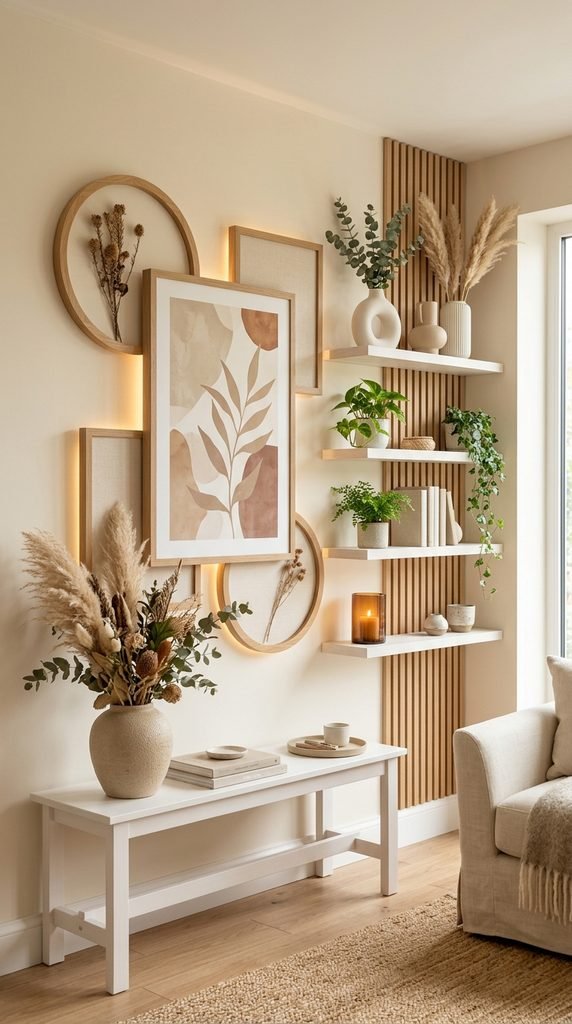
4. Designing for Daily Rituals
A well-designed room supports your favorite parts of the day. By styling specific stations around simple, everyday routines, you turn ordinary tasks into mindful moments.
- The Morning Brew Station: Dedicate a specific corner of your kitchen counter to your morning coffee or tea ritual. Store your favorite ceramic mugs, a matte gooseneck kettle, and artisanal canister jars on an open wooden riser or dedicated marble tray, keeping tools accessible yet tidy.
- The Evening Unwind Corner: Create an inviting bedside environment with zero digital distractions. Keep only a low-wattage dimmable lamp, your current book, a carafe of water, and a calming essential oil or linen mist on the nightstand. Move phone charging docks to another room.
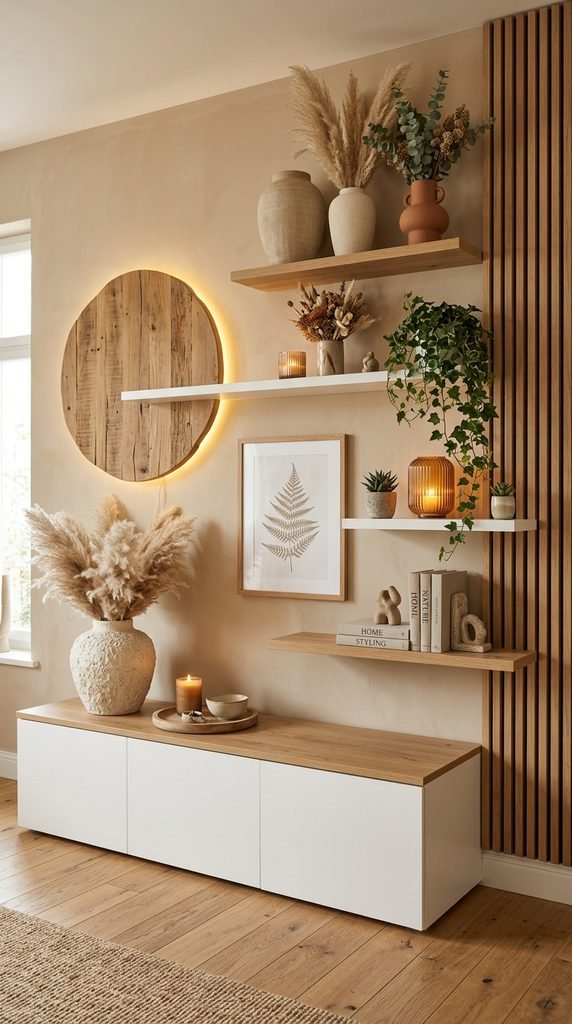
- The Spa-Inspired Bath: Transform a standard bathroom into a restorative bathhouse. Incorporate a natural cedar or teak bath caddy, plush organic Turkish cotton towels, waffle-weave robes, and a small stool to hold a natural sea sponge, Epsom salts, and an amber glass candle.
5. The Art of the Intentional Edit
The most impactful step in slow decorating is removing what no longer serves your daily life. A restorative home requires breathing room.
- Audit Visual Noise: Walk through each room and identify decorative items that you no longer notice, love, or use. Clearing surfaces by just 30% instantly increases perceived space and light.
- Choose Quality Over Volume: Invest in one exceptional, handcrafted piece—a hand-turned ceramic bowl, a vintage solid-oak stool, or a framed original drawing—rather than filling shelves with mass-produced decor.
- Embrace Negative Space: Empty wall space and bare corners are not design flaws waiting to be filled; they are visual pauses that allow the eye to rest and let your most meaningful furniture and artwork stand out.