
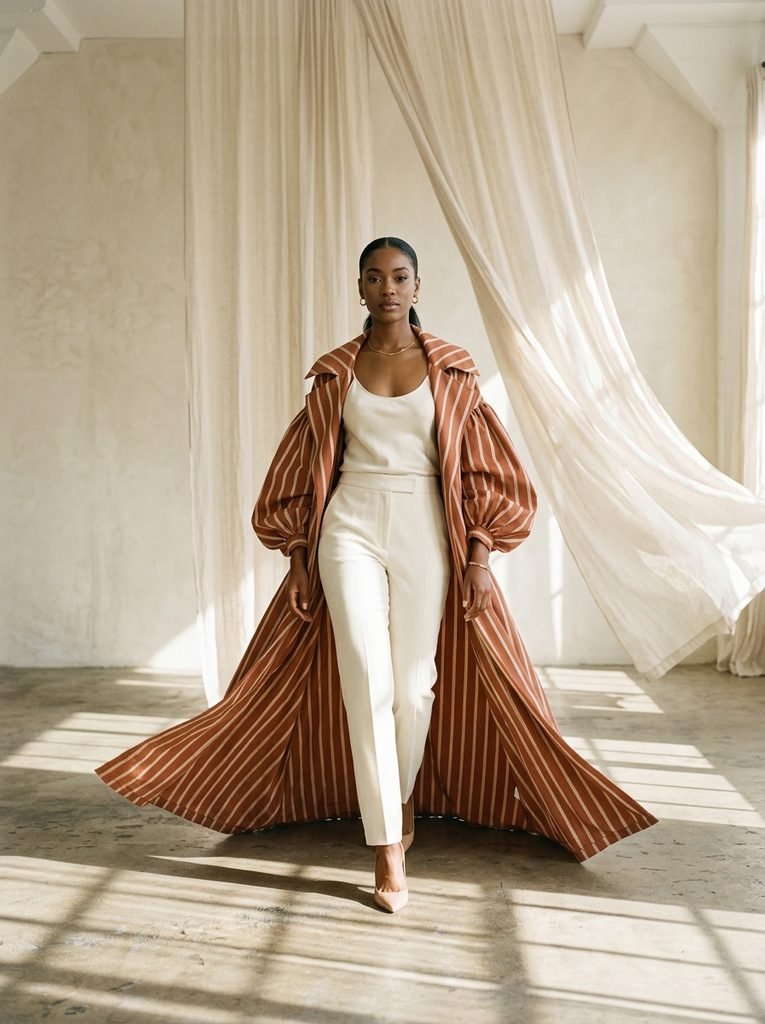
Fashion moves at breakneck speed, driven by algorithmically generated micro-trends and hyper-accelerated aesthetic cycles. Yet the most striking personal style remains anchored in a deliberate framework: an understanding of silhouette, textile integrity, and proportion.
Developing a signature wardrobe is not about opting out of contemporary fashion—it is about building an architectural foundation that allows modern accents to integrate seamlessly without creating closet fatigue.
1. The Core Shift: From Aesthetic Chasing to Wardrobe Architecture
Chasing transient aesthetics (“cottagecore,” “mob wife,” “office siren”) often results in a fractured closet full of single-use garments. A resilient wardrobe functions as an interconnected system.
+———————————————————————————–+
| THE THREE-TIER WARDROBE SYSTEM |
+———————————————————————————–+
| |
| [ TIER 1: The Anchor Foundation (60%) ] |
| – High-wear, premium-fabric pieces: Tailored trousers, raw denim, poplin shirts, |
| structured blazers, and high-gauge knitwear in neutral palettes. |
| |
| [ TIER 2: Texture & Dynamic Proportions (30%) ] |
| – Architectural layers: Boxy outerwear, pleated maxi skirts, brushed wool, |
| leather overshirts, and directional footwear. |
| |
| [ TIER 3: The Directional Accents (10%) ] |
| – Contemporary trend pieces: Saturated color pops, statement jewelry, bold |
| hardware, or sculptural eyewear that rotate with the seasons. |
+———————————————————————————–+
2. The Mechanics of Proportion and Silhouette
The difference between an outfit that looks ordinary and one that looks intentional comes down to the balance of visual weight.
The Rule of Opposites
Pairing items with contrasting volumes creates natural balance and avoids a shapeless or overly rigid silhouette:
- Fitted Top + Wide-Leg Bottom: A compact ribbed baby-tee or fine-gauge knit balanced against pooled, pleated wide-leg trousers or heavy raw-edge denim.
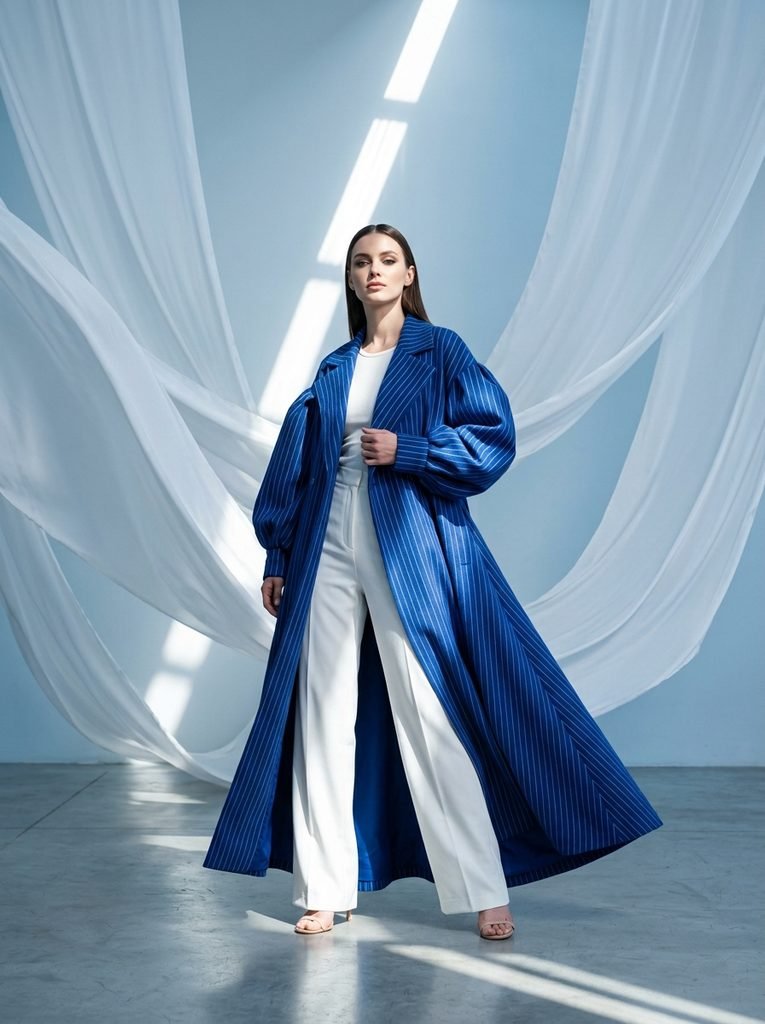
- Oversized Outerwear + Streamlined Base: A drop-shoulder tailored wool coat or boxy leather bomber worn over a column dress or slim-straight foundation.
- Soft Drape + Sharp Structure: Flowing silk or linen skirts anchored by heavy-soled loafers, angular boots, or a sharp-shouldered jacket.
The Three-Color Discipline
Limiting an ensemble to three harmonious tones creates an instantly elevated, cohesive visual field:
- Base Tone (60%): The primary dominant color (e.g., slate gray, ivory, rich espresso, or midnight navy).
- Secondary Tone (30%): A balancing neutral or tonal complement (e.g., camel, optic white, or olive).
- Accent Accent (10%): A focused visual point (e.g., cherry red leather accessories, brushed brass hardware, or an electric cobalt knit).
3. Fabric Integrity: What to Look for in Garments
A high-end silhouette falls apart quickly if the underlying textile cannot hold its structure. Investing in enduring pieces requires reading fabric labels like an editor.
| Fiber / Textile | Key Characteristics | What to Look For |
| Long-Staple Cotton | Crisp drape, highly breathable, resists pilling | Look for high-density weaves like poplin, twill, or heavyweight jersey (220+ GSM). |
| Pure Wool / Cashmere | Excellent thermal regulation, natural crease recovery | Avoid synthetic blends exceeding 20%; look for worsted wool for structure and high-ply for knitwear. |
| Heavy Raw Denim | Rigid structure, molds to the body over time | Opt for 100% cotton, non-stretch selvedge or 12–14 oz denim for clean vertical lines. |
| Linen & Silk | Unmatched natural sheen, fluidity, and texture | Look for high-weight silk crepe or slubby, tightly woven linen that softens without thinning out. |
4. Modern Styling Formulas for Effortless Dressing
When building daily outfits, rely on structural templates that remove decision friction:
- The Relaxed Tailoring Uniform: High-waisted wide-leg wool trousers paired with a tucked heavyweight white crew-neck tee, a boxy unstructured blazer, clean leather dress sneakers or loafers, and minimal gold hardware.
- The Layered Minimalist: A monochrome knit maxi skirt and matching fine-gauge crewneck, grounded by pointed-toe leather boots and topped with an oversized trench coat tied loosely at the back.
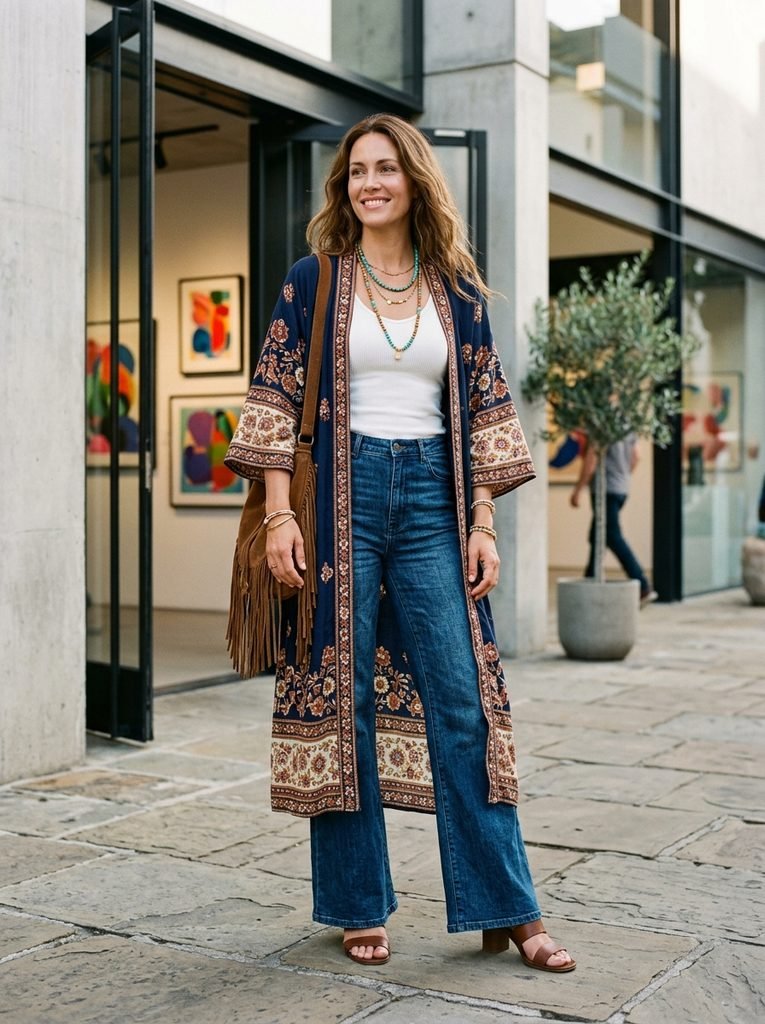
- The Elevated Utilitarian: Straight-leg raw denim paired with a crisp cotton poplin button-down left open over a ribbed tank, finished with suede mule slides and an architectural leather shoulder bag.
5. Curating and Maintaining Your Rotation
A well-curated wardrobe requires regular editing and proper textile maintenance to keep garments looking pristine year after year:
- The One-In, One-Out Discipline: For every new piece brought into your wardrobe, evaluate an existing garment to donate, consign, or archive. This prevents clutter and forces intentional purchasing.
- Tailoring as a Non-Negotiable: A $50 garment tailored to your exact shoulder width, sleeve length, and hem height will consistently look better than an ill-fitting $500 piece. Hem trousers to break precisely over your favorite footwear.
- Low-Impact Care: Wash denim and structured outerwear sparingly. Use a garment steamer rather than a harsh iron to preserve natural wool and silk fibers, and store knitwear folded on shelves rather than hung on wire hangers to avoid shoulder stretching.