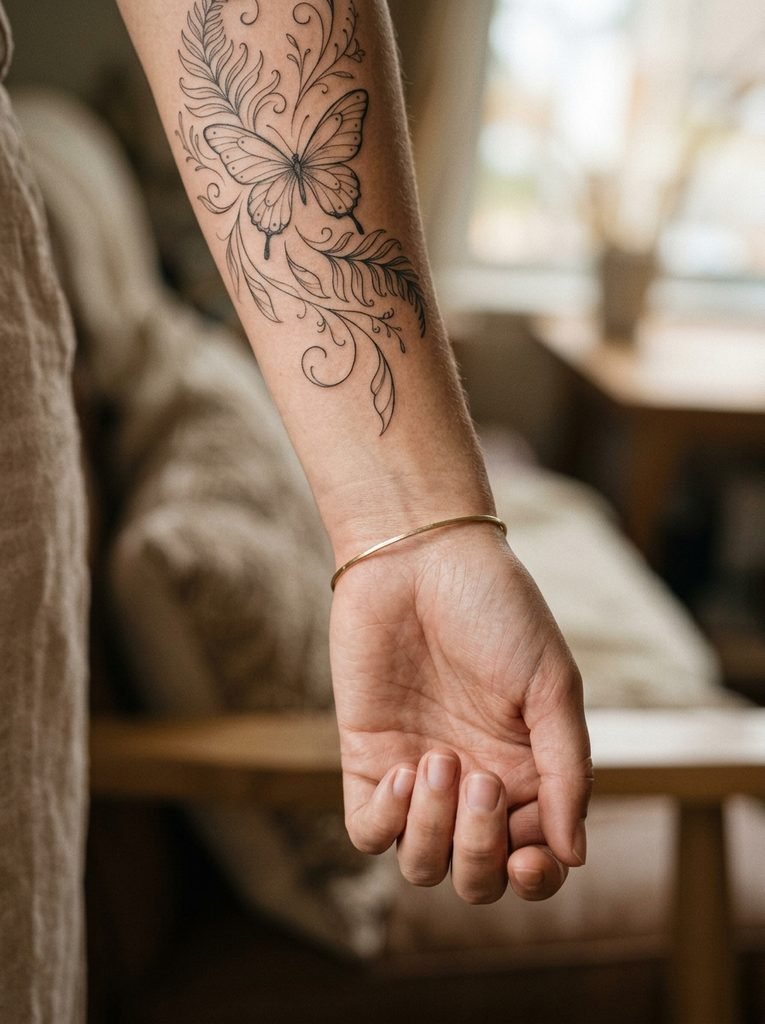
Tattooing has evolved from an ancient tribal ritual and counterculture badge into one of the most dynamic forms of contemporary fine art. What used to be limited to flash sheets on a parlor wall now spans everything from micro-realism and fine-line botanical work to bold traditional designs.
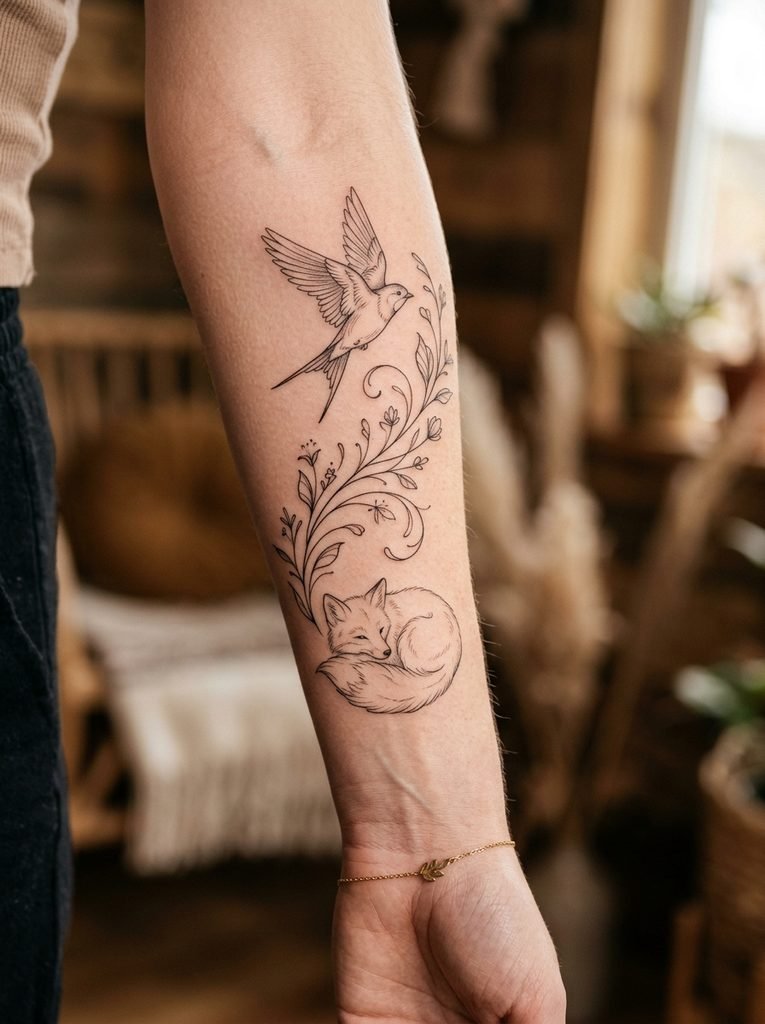
Getting a tattoo today is less about rebellion and more about intentional self-expression. Whether you are planning your very first piece or expanding a sleeve, here is what you need to know about styles, placement, the process, and aftercare.
Choosing Your Style
The visual identity of your tattoo defines how it will age, how it sits on the body, and which artist you should hire.
- American Traditional (Old School): Defined by heavy black outlines, a restricted primary color palette (red, green, yellow), and iconic imagery like daggers, swallows, and roses. These age exceptionally well due to high contrast and bold pigment saturation.
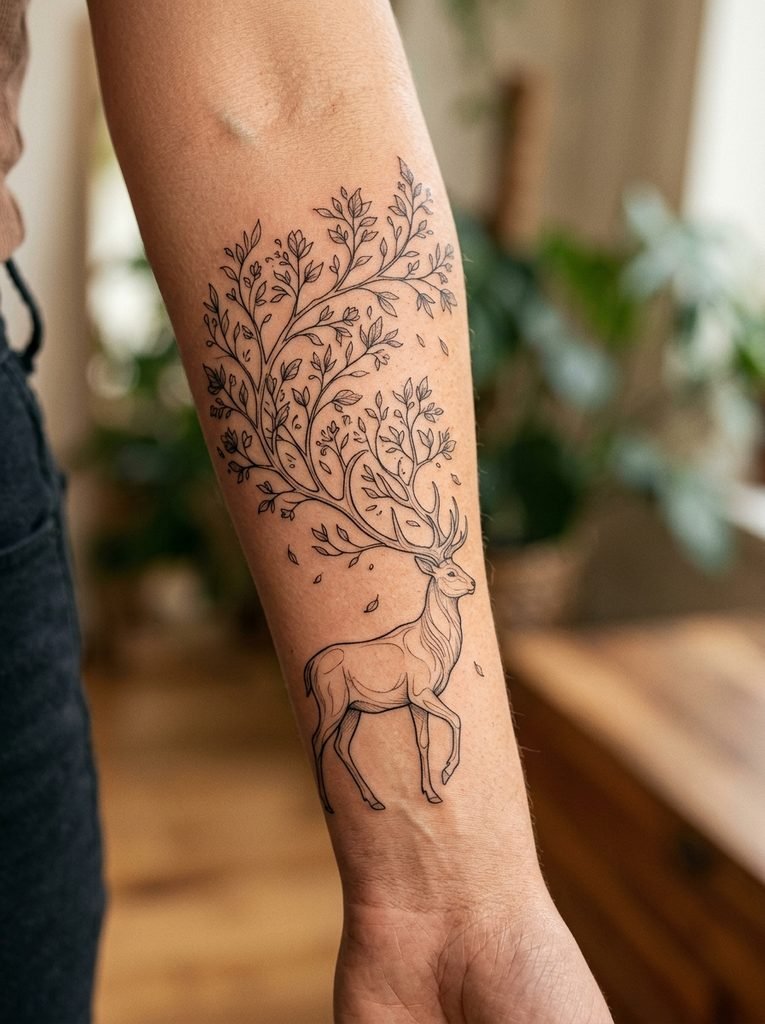
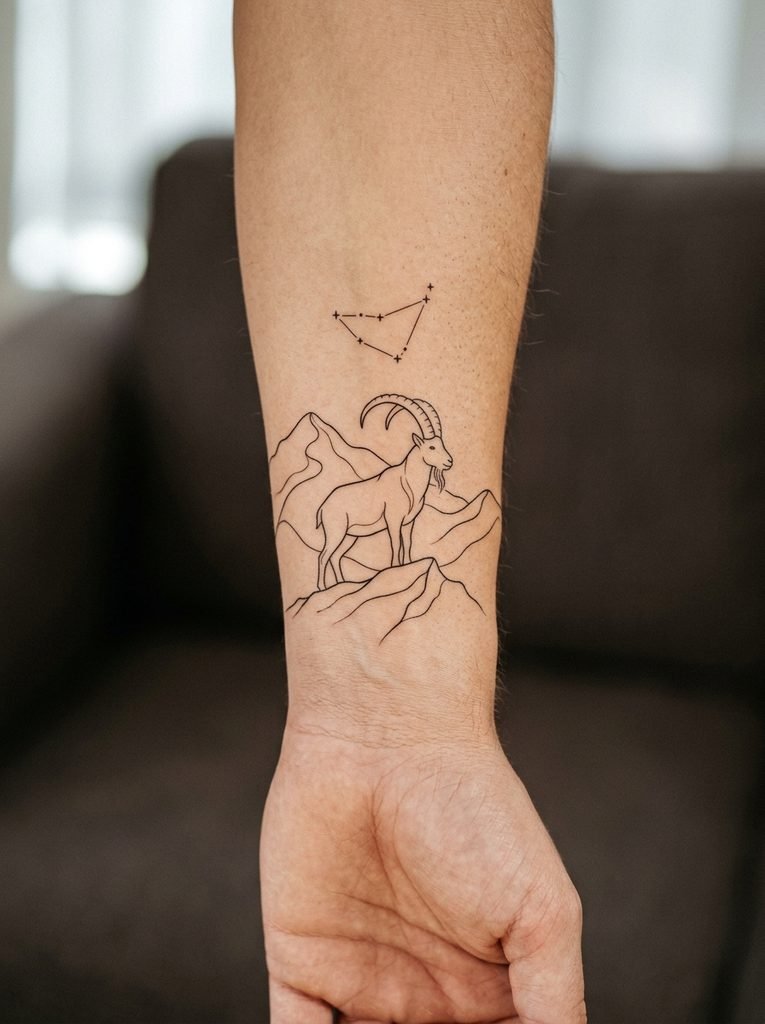
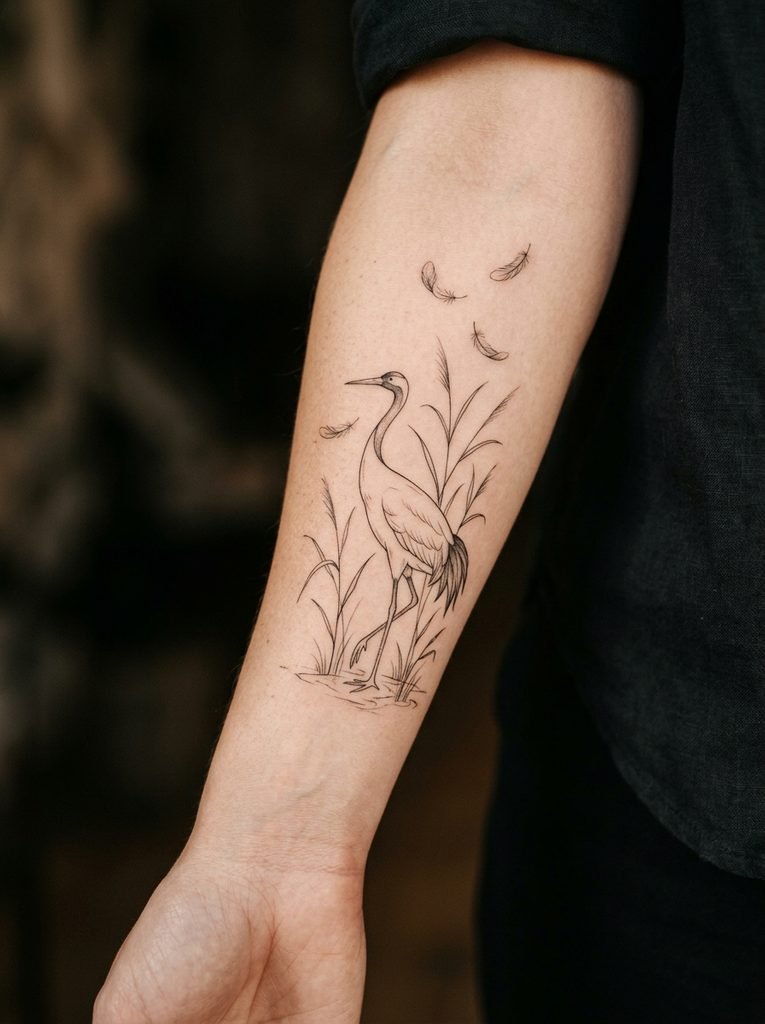
- Fine-Line & Micro-Realism: Utilizes single-needle or small-grouping needles to achieve hyper-detailed, delicate imagery, miniature portraits, or soft botanical illustrations. They offer a refined, subtle look, though they require careful sun protection over time.
- Blackwork & Dotwork (Stippling): Uses exclusively black ink to create geometry, ornamental patterns, or textured shading through thousands of individual dots.
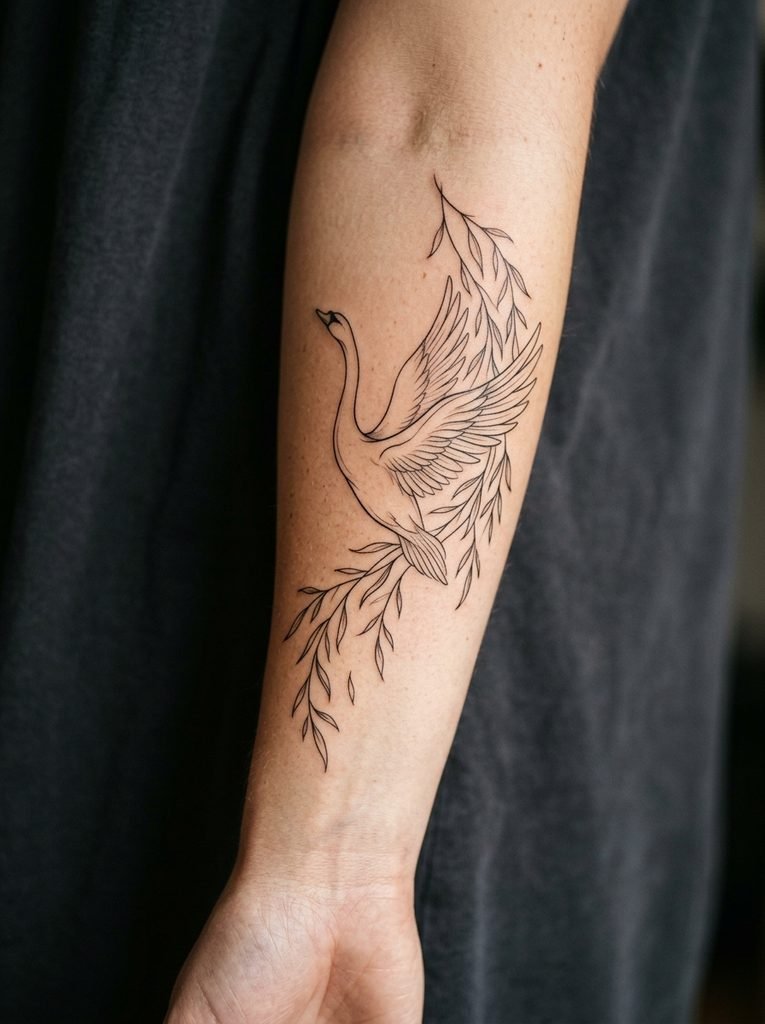
- Neo-Traditional: Combines the bold outlines and longevity of traditional work with expanded color palettes, dynamic line weights, and dimensional shading.
- Japanese (Irezumi): A historical style built around large-scale compositions—dragons, koi fish, peonies, and waves—designed specifically to flow with the musculature of the whole body.
Placement and Longevity
Not all canvas space behaves the same way. Skin thickness, friction, sun exposure, and underlying bone structure all influence how a tattoo heals and feels.
| Body Area | Pain Level | Daily Friction | Aging & Longevity |
| Forearm / Outer Bicep | Low to Moderate | Low | Excellent (Minimal fading if sunscreen is used) |
| Thigh / Calf | Low to Moderate | Low to Medium | Excellent (Stable skin surface) |
| Ribs / Sternum / Spine | High | Low | Very Good (Low sun, but intense vibration during tattooing) |
| Fingers / Hands | Moderate to High | Very High | Rapid Fading (Skin sheds fast; frequent touch-ups needed) |
| Feet / Ankles | Moderate to High | High (Shoes/Socks) | Moderate (Prone to friction wear during healing) |
The Appointment: How to Prepare
A successful session comes down to preparation before the needle ever touches your skin:
- Hydrate and Eat Well: Drink plenty of water in the 48 hours leading up to your session. Eat a balanced, high-protein meal 1–2 hours beforehand to keep your blood sugar stable and prevent lightheadedness.
- Skip Alcohol and Thinners: Avoid alcohol, aspirin, and excessive caffeine for at least 24 hours prior. These thin your blood, which increases bleeding and can dilute the ink saturation during application.
- Dress for Access: Wear loose-fitting, comfortable clothing that easily exposes the target area without requiring awkward adjustments.
- Communicate During Stenciling: Take your time looking at the stencil in a full-length mirror. Move naturally. If you want the size adjusted by 5% or the angle shifted, speak up—artists expect and welcome adjustments before tattooing begins.
The Aftercare Protocol
Proper healing accounts for roughly half of how crisp your finished tattoo looks once settled.
The First 48 Hours
- If your artist applies a medical adhesive bandage (like SecondSkin or Saniderm), leave it on for 3 to 5 days unless fluid leaks or the seal breaks.
- If wrapped in traditional cling wrap, remove it after 2 to 4 hours. Wash the tattoo immediately using lukewarm water and an unscented, antibacterial liquid soap. Use clean hands only—never a washcloth or sponge.
- Pat dry gently with a clean paper towel; do not rub.
Days 3 to 14
- Apply a feather-thin layer of unscented moisturizer or dedicated tattoo ointment 2 to 3 times daily. The goal is to keep the skin supple, not suffocated.
- Do not pick, scratch, or peel flakes or scabs. Pulling off dry skin prematurely pulls out pigment with it.
- Avoid submerging the tattoo in water (no baths, swimming pools, hot tubs, or oceans) for at least 3 weeks. Short showers are fine.
Long-Term Maintenance
Once the skin is fully healed (typically 3 to 4 weeks), ultraviolet radiation becomes the primary cause of ink degradation. Apply broad-spectrum SPF 30+ sunscreen over your tattoos whenever they are exposed to direct sunlight to keep the lines sharp and the colors vibrant.